
The Ultimate Challenge of Thread Precision: Meto Cap Mold Machining and Inspection Methods
The Ultimate Challenge of Thread Precision: Meto Cap Mold Machining and Inspection Methods
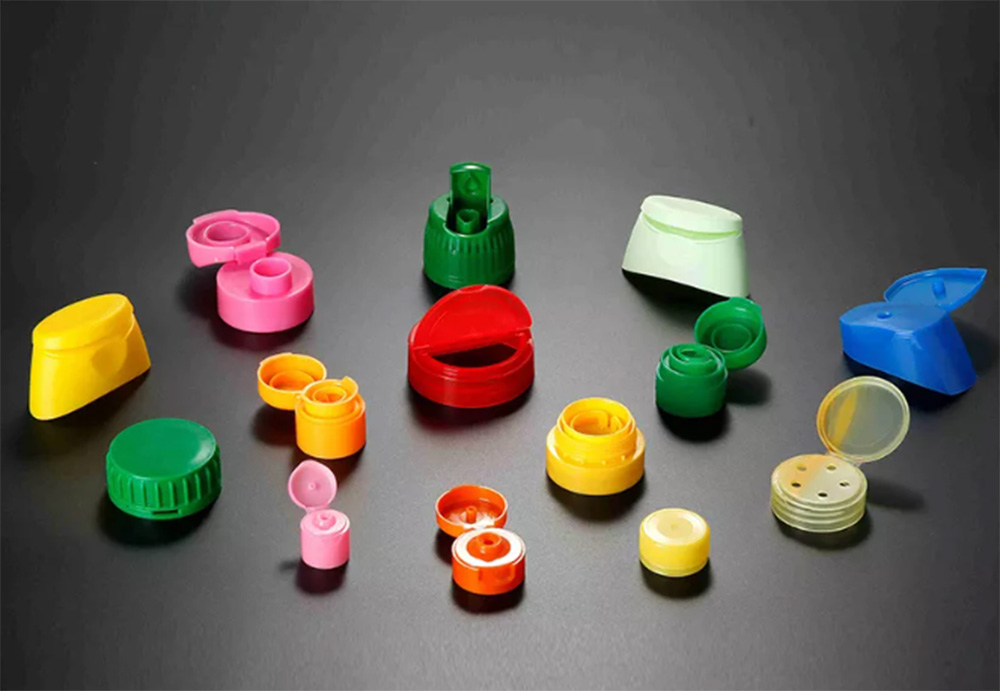
The thread is the most critical feature of any bottle cap. If the thread is wrong, the cap will not seal. It will be too tight or too loose. It will leak or be impossible to open. The consumer will be frustrated. The brand will suffer.
Achieving perfect threads in a cap mold is one of the most difficult challenges in mold making. The thread must be machined to tolerances of plus or minus 0.01 millimeters. The surface must be smooth enough to release the cap easily. The thread must maintain its precision for millions of cycles.
This article explains how Meto machines and inspects cap mold threads to achieve this level of precision. From grinding to measurement, every step is controlled.
Part 1: Why Thread Precision Matters
The cap thread must match the preform neck thread exactly. There is no room for error. A mismatch of 0.02 millimeters can cause sealing failure.
Application torque must be consistent. Consumers expect the same opening force on every bottle. Variation in thread precision causes variation in torque.
Tamper evident bands must break cleanly. The band bridges are small and precise. Thread dimensional errors can cause the band to break too early or too late.
High speed capping lines run at 600 to 1,200 caps per minute. At these speeds, even small thread errors cause jams and rejects.
Mold life depends on thread durability. The thread area of the mold wears over time. If the thread is not machined correctly from the start, wear will accelerate.
Part 2: Thread Geometry Basics
A bottle cap thread is not a simple V shape. It has specific geometry.
The thread profile includes the crest which is the top of the thread, the root which is the bottom of the thread, the flank angle which is the angle of the thread sides typically 60 degrees, the pitch which is the distance from one thread to the next, the major diameter which is the outside diameter of the thread, and the minor diameter which is the inside diameter of the thread.
For sealing caps, the thread is only part of the design. The sealing surface is separate from the thread. The tamper evident band is below the thread. All of these features must be coordinated.
Part 3: Steel Selection for Threads
Thread precision starts with steel. The steel must be hard enough to resist wear but not so hard that it is brittle.
For standard high volume cap molds, Meto uses H11 or 1.2343 steel. Hardness is 48 to 52 HRC. This provides good wear resistance and toughness.
For extreme wear applications such as very high volume caps or abrasive materials, Meto uses 1.2767 steel for thread inserts. Hardness is 50 to 54 HRC. Wear resistance is excellent. Expected thread life is 7 to 10 million cycles.
For cosmetic caps requiring mirror finish, Meto uses stainless 420 or 1.2083. Hardness is 48 to 52 HRC. Polishing ability is excellent.
Part 4: Thread Grinding vs Thread Milling
There are two primary methods for machining threads in cap molds.
Thread milling uses a rotating cutting tool to carve the thread. The tool moves in a helical path. Milling is faster and less expensive than grinding. It is suitable for most cap molds. Accuracy is typically plus or minus 0.015 to 0.020 millimeters.
Thread grinding uses a grinding wheel to remove material. The wheel is shaped to the thread profile. Grinding is slower and more expensive than milling. Accuracy is plus or minus 0.005 to 0.010 millimeters. Surface finish is smoother.
For standard cap molds, Meto uses thread milling. This provides good accuracy at reasonable cost.
For high precision caps, medical caps, and child resistant caps, Meto uses thread grinding. The higher accuracy justifies the additional cost.
For thread inserts that will be replaced after wear, Meto uses thread grinding to achieve maximum precision and surface finish.
Part 5: Meto Thread Grinding Process
When thread grinding is required, Meto follows a careful process.
Step one is heat treatment. The steel is hardened to 48 to 52 HRC before grinding. Grinding after heat treatment ensures that the final dimensions are achieved in hard steel.
Step two is rough grinding. A coarse grinding wheel removes most of the material, leaving 0.05 to 0.10 millimeters for finish grinding.
Step three is finish grinding. A fine grinding wheel removes the remaining material. The wheel passes multiple times. Each pass removes a small amount of material. This prevents heat buildup that could damage the steel.
Step four is surface finish measurement. Meto measures the thread surface finish using a profilometer. Target is Ra 0.1 to 0.2 microns or better.
Step five is final inspection. The thread is measured using optical or contact methods. Results are documented.
Part 6: Thread Milling at Meto
For standard cap molds, Meto uses thread milling on 5 axis CNC machines.
The process begins with a 3D model of the thread. The CNC program generates a tool path that follows the thread helix. A thread milling cutter rotates and moves along the helix to cut the thread.
Meto uses carbide thread mills with multiple teeth. These tools cut faster and produce better surface finish than single tooth tools.
After milling, the thread is polished to remove any tool marks. Polishing is done with fine abrasive compounds. The goal is a smooth surface that will release the cap easily.
Part 7: The Unscrewing Mechanism
The thread in the mold is only half of the story. The cap must be removed from the mold after molding. This requires an unscrewing mechanism.
The unscrewing mechanism rotates the core while the cap is still warm. The cap unscrews from the thread and is ejected.
Precision is required in two areas. The thread must match the unscrewing rotation. If the thread pitch is not perfectly consistent, the cap will bind. The unscrewing mechanism must rotate smoothly without backlash. Any play in the mechanism will damage the thread.
Meto uses hydraulic rack and pinion unscrewing for most cap molds. This provides smooth, powerful rotation. For very high speed applications, servo motor unscrewing is available.
Part 8: Inspection Methods for Threads
Machining precision is not enough. Inspection must verify that the thread meets specifications.
Meto uses three inspection methods for cap mold threads.
Method one is optical thread measurement. A camera captures the thread profile. Software measures major diameter, minor diameter, pitch, flank angle, and other parameters. Accuracy is plus or minus 0.005 millimeters. This is the primary inspection method for most cap molds.
Method two is contact thread measurement. A probe touches the thread at multiple points. The probe measures the actual position of the thread surface. Accuracy is plus or minus 0.002 millimeters. This is used for very high precision threads.
Method three is go no go gauge. A hardened steel gauge is screwed into the thread. If the gauge fits with specified torque, the thread passes. This is a quick pass fail test used for production verification.
Meto uses optical measurement for final inspection on every cap mold. A measurement report is provided to the customer.
Part 9: Cap Performance Testing
Thread dimensions are important. But the ultimate test is how the cap performs on a preform.
Meto performs torque testing on sample caps from every cap mold. A torque meter measures the force required to apply the cap and the force required to remove it. Torque is measured on multiple caps from each cavity.
Meto performs sealing testing. Caps are applied to preforms. The sealed assembly is tested for leakage under pressure or vacuum. Any leak is traced back to the cavity that produced the cap.
Meto performs tamper evident testing. For caps with tamper evident bands, Meto tests the break torque. The band must break cleanly without debris.
These performance tests verify that the thread works in practice, not just on paper.
Part 10: Real Customer Thread Precision Data
Customer A produces 28mm water caps in Southeast Asia. Their Meto 48 cavity mold achieved thread major diameter variation of plus or minus 0.012 millimeters across all cavities. Application torque variation was plus or minus 0.10 Newton meters. After 5 million cycles, thread wear was less than 0.01 millimeters.
Customer B produces CSD caps in South America. Their Meto 32 cavity mold achieved thread major diameter variation of plus or minus 0.010 millimeters. Sealing performance was tested at 500,000 caps with zero failures.
Customer C produces child resistant caps in North America. Their Meto 24 cavity mold used thread grinding. Thread major diameter variation was plus or minus 0.007 millimeters. The mold passed child resistant certification on the first attempt.
Part 11: Maintaining Thread Precision Over Time
Thread precision is not only achieved at delivery. It must be maintained.
Meto recommends regular inspection of thread wear. A go no go gauge can be used to check thread condition. When the gauge becomes loose, thread wear has occurred.
Thread wear is normal. After 5 to 10 million cycles, the thread will need refurbishment. Meto offers thread recutting services. The worn thread is ground to a fresh surface. The cap mold returns to original precision.
Meto also offers replaceable thread inserts for high wear applications. When the thread wears, the insert is replaced. The mold does not need to be removed from the machine for thread refurbishment.
Part 12: Common Thread Problems and Solutions
Problem one is inconsistent torque. The cause is variation in thread major diameter or flank angle. The solution is measuring all cavities and adjusting the thread grinding or milling process.
Problem two is cap sticking. The cause is rough thread surface finish. The solution is polishing the thread to reduce friction.
Problem three is thread wear too fast. The cause is using H11 steel when 1.2767 is needed. The solution is replacing thread inserts with 1.2767 steel.
Problem four is cap cross threading. The cause is damage to the thread start. The solution is repairing the thread start area or replacing the thread insert.
Part 13: Cost of Precision
Higher precision costs more money. Thread grinding costs more than thread milling. Tighter tolerances require more inspection time.
But the cost of poor precision is higher. Caps that do not seal cause customer complaints. Inconsistent torque damages brand reputation. Production rejects waste material and labor.
For most cap applications, Meto recommends thread milling with plus or minus 0.015 millimeter tolerance. This provides good performance at reasonable cost.
For CSD caps, medical caps, and child resistant caps, Meto recommends thread grinding with plus or minus 0.010 millimeter or better tolerance. The additional cost is justified by the higher stakes of failure.
Part 14: Meto Thread Precision Guarantee
Meto guarantees thread precision for all cap molds.
For standard cap molds, thread major diameter variation is guaranteed at plus or minus 0.015 millimeters or better. This is verified by optical measurement on every cavity.
For high precision cap molds, thread major diameter variation is guaranteed at plus or minus 0.010 millimeters or better.
The measurement report is provided to the customer. You do not have to trust Meto's claims. You can see the data.
If a Meto cap mold fails to meet the guaranteed thread precision, Meto will correct the issue at no cost.
Part 15: Conclusion
Thread precision is the ultimate challenge in cap mold manufacturing. It requires the right steel, the right machining method, the right inspection equipment, and the right maintenance plan.
Meto has invested in thread grinding, 5 axis thread milling, optical thread measurement, and torque testing. We use these tools to produce cap molds with thread precision that matches or exceeds premium European suppliers.
Whether you need a standard water cap mold or a high precision child resistant cap mold, Meto delivers threads that seal correctly, torque consistently, and last for millions of cycles.
Do not settle for caps that leak or stick. Demand thread precision.
Contact Meto today to discuss your cap mold requirements. Send your cap drawing. We will provide a thread precision plan and quotation. See the difference that precision makes.

Ruby
We can provide you with high-quality PET preform molds,cap molds,and blow molding machines.Looking forward to communicating and cooperating with you!
Helpline and Support
008613757660057